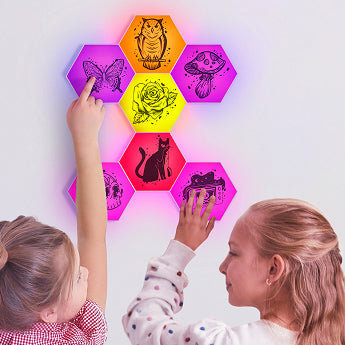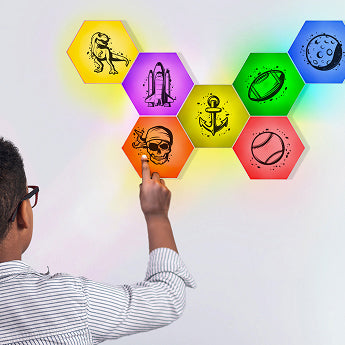

To put LED lights on the wall, clean the surface, plan your layout, and use adhesive-backed strips or mounting clips. For best results, choose soft, adjustable lighting and avoid placing LEDs where they shine directly into your eyes.
Introduction
LED wall lighting has become one of the easiest ways to transform a room.
But many setups go wrong; not because of the lights, but because of:
- poor placement
- harsh brightness
- lack of planning
The result? A space that feels more overwhelming than aesthetic.
In this guide, you’ll learn:
- how to put LED lights on wall properly
- creative led wall decor ideas that actually work
- and how to design a space that feels calm, immersive, and intentional
What You Need Before Installing LED Lights
Before starting, gather:
- LED strips or panels
- adhesive backing or mounting clips
- measuring tape
- cleaning cloth (important for adhesion)
Preparation ensures your setup lasts longer and looks cleaner.
How to Put LED Lights on Wall Step-by-Step
Step 1: Clean the Surface
Dust or oil reduces adhesion. Wipe the wall and let it dry completely.
Step 2: Plan Your Layout
Sketch your design before sticking anything.
Ask yourself:
- Where do I want the focus?
- Will the light hit my eyes directly?
Step 3: Test the Lights First
Plug them in before installation to check brightness and color.
Step 4: Apply Gradually
Peel and stick slowly; don’t rush. This prevents uneven lines.
Step 5: Adjust for Comfort
Turn them on and tweak positioning if needed.
Why Placement Matters More Than Brightness
Many people assume brighter = better.
But lighting research shows:
- glare increases eye strain
- direct exposure causes discomfort
- indirect light improves relaxation
The goal is controlled illumination, not maximum brightness.

Where Should LED Lights Be Placed on a Wall?
Best placements include:
- behind the bed (indirect glow)
- along ceiling edges
- around desks or mirrors
- behind furniture for depth
Avoid placing lights directly at eye level unless diffused.
10 LED Wall Light Ideas for Aesthetic Rooms
1. Ceiling Edge Glow
Create a soft halo effect around the room.
2. Headboard Backlighting
Adds depth and reduces harsh contrast.
3. Geometric Wall Designs
Use shapes to create visual rhythm and structure.
4. Floating Line Design
Run LED strips in clean, minimal lines.
5. Corner Highlighting
Accentuate room corners for added dimension.
6. Mirror Frame Lighting
Improves both function and aesthetics.
7. Desk Mood Lighting
Soft backlighting reduces screen contrast strain (You can also explore: From Gaming to Glamping: Portable Lighting Hacks).
8. Layered Lighting Setup
Combine LED strips with ambient lighting for balance.
9. Accent Wall Focus
Highlight a single wall instead of the entire room.
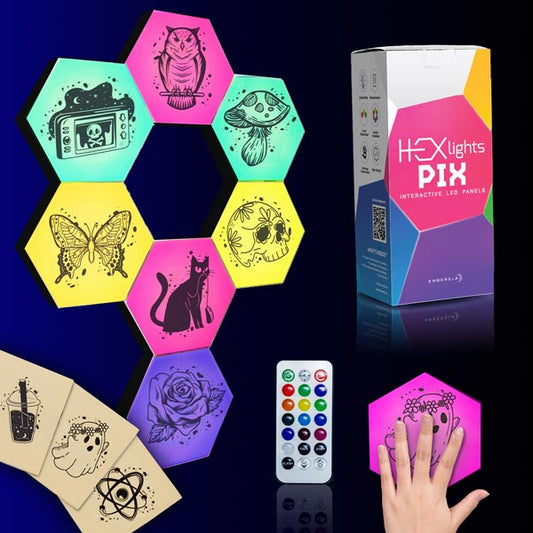
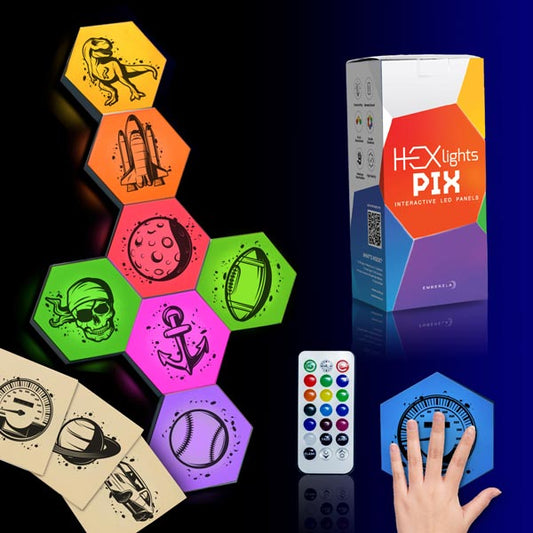
10. Interactive Decor Elements
Combine lighting with visual elements like Pix Boy Stickers (Set of 10) or Pix Girl Stickers (Set of 10) to create a playful but controlled design.
Are LED Lights Safe for Walls?
Yes; when installed properly.
Tips for safety:
- use quality adhesive
- avoid overheating (choose LED, not older bulbs)
- don’t overlap strips
LEDs are low-heat and energy-efficient, making them safe for long-term use.
The Psychology of LED Wall Decor
Lighting affects how a space feels.
Soft, indirect LED lighting can:
- reduce stress
- improve focus
- create a sense of depth
This is why Emberela designs lighting as part of a sensory experience, not just decoration.
Common Mistakes to Avoid
- installing without planning layout
- using only one color (especially harsh blue)
- placing lights directly in line of sight
- overloading the room with too many strips
Aesthetic comes from balance; not quantity.
How Do You Make LED Lights Look More Aesthetic?
Focus on:
- indirect placement
- warm or blended colors
- clean lines or intentional shapes
Lighting should feel integrated; not random.
How Emberela Approaches LED Wall Design
At Emberela, lighting is designed to:
- adapt to mood and environment
- support both function and relaxation
- create immersive but balanced spaces
Instead of just “adding lights,” the goal is to design a space that feels:
- calm
- intentional
- visually engaging without overload
When to Upgrade Your Lighting Setup
You may need a better setup if:
- your lighting feels too harsh
- your room lacks depth
- your current setup feels messy or unbalanced
Even small changes in LED placement can dramatically improve your space.
Need Help Designing Your Setup?
If you want a personalized lighting layout tailored to your space and style:
Emberela can help you create a setup that balances aesthetics, comfort, and usability.